UGC Strategy8 min read
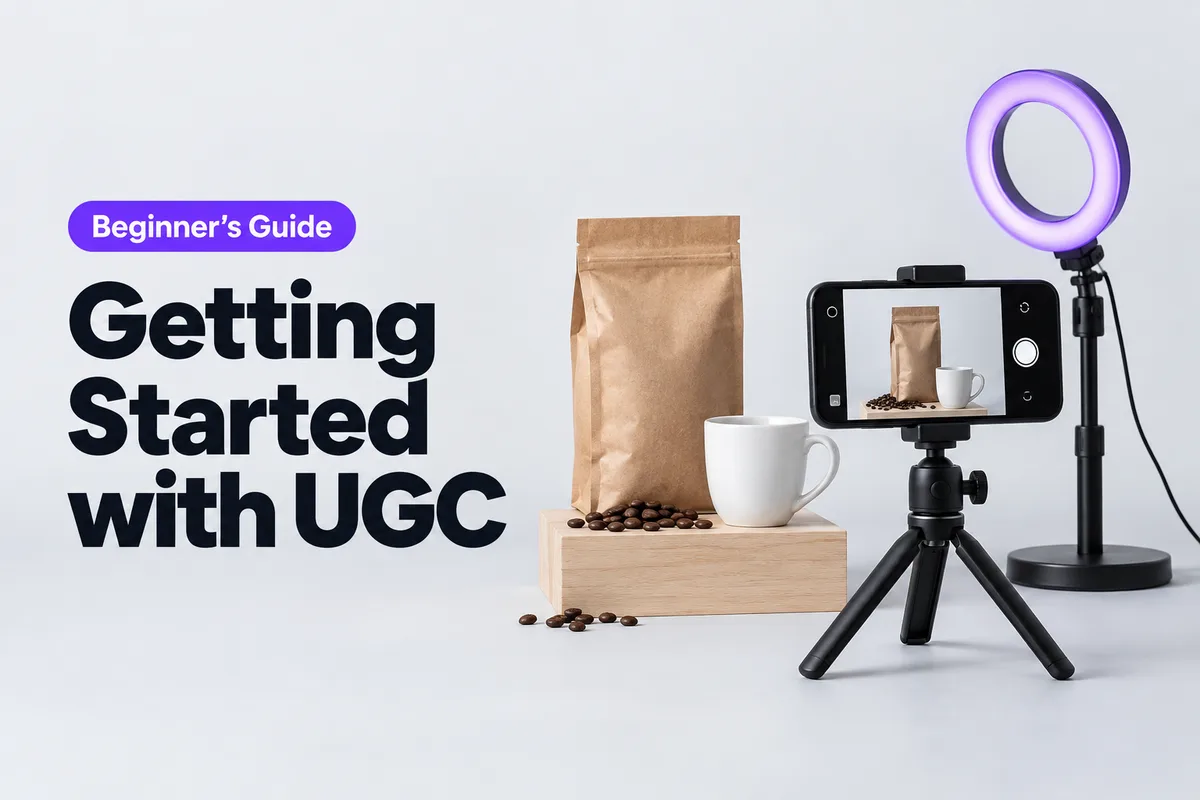
Getting Started with UGC Content: A Practical Guide for 2026
What UGC is, why shoppers trust it, and how to start collecting, using and measuring it, plus where AI-made UGC fits in. A step-by-step plan for brands.
Key takeaways:
- UGC (user-generated content) is anything your customers make about your product: photos, videos, reviews, unboxings.
- It works because people trust other buyers more than ads. In Nielsen's global survey, 66% said they trust consumer opinions posted online.
- Start small: one goal, one platform, one simple way for customers to share. Always ask permission before you reuse a post.
- When you don't have enough real UGC yet, AI tools can make UGC-style photos and videos for ads while you build your community.
User-generated content is one of the most useful things a small brand can have. It's cheap, it looks real because it is real, and it answers the question every shopper has: "does this actually work for people like me?" This guide covers what it is, how to get your first pieces, how to use them safely, and how to tell if it's working.
What is UGC?
UGC is content about your brand made by customers, fans or followers rather than by you. A customer posts a photo of your coffee bag next to their morning cup and tags you. Someone films a 20-second unboxing of your skincare set. A buyer leaves a review saying the hoodie runs small. All of that counts.
Why it works
Shoppers tune most ads out, but a photo from another customer feels different. In Nielsen's Global Trust in Advertising report, 83% of respondents said they completely or somewhat trust recommendations from friends and family, and 66% trust consumer opinions posted online. UGC sits between the two: strangers, but real customers. A customer photo on a product page also answers "how big is it really?" before anyone emails you.
UGC creators vs influencers
Organic UGC comes from real customers who weren't paid, or got a small thank-you like a discount code. It's the most believable kind, but you can't control when it arrives.
A UGC creator is someone a brand hires to make content that looks like customer content, such as a phone-shot review or a problem-and-fix demo. The brand pays for the video and runs it from its own ad account, so follower count barely matters. An influencer is paid for their audience: the post goes out to their followers, and you're buying reach as much as content.
The difference matters in practice. On Reddit, the founder of a new US spirits brand paid creators through JoinBrands, expected sales, and saw none. The top reply explained that UGC and influencing are different things:
"UGC creators are not responsible for driving the traffic, only creating the content for the brand to use."
A commenter on r/UGCcreators
How to get your first UGC
If you sell on Shopify, this beginner's guide walks through how to use UGC for your store.
Pick one goal and one platform
Decide what the content is for before you ask. "More reviews on our three best sellers" leads to a different ask than "ten short videos to test in Meta ads." Then go where your customers already post: Instagram for a coffee brand, probably TikTok for a gadget aimed at students. Start with the people most likely to say yes, your repeat buyers and anyone who has already tagged you.
Ask in a way people can act on
"Share your experience!" gets ignored. "Post a 10-second video of your first sip and tag us" gets posts, because people know what to film. Put the ask on the packaging, the thank-you page and the order email, and show two or three existing customer posts so people see what a good one looks like. Our 5 UGC campaign ideas cover formats like hashtags, spotlights and contests. A small reward, like a 10% code or a repost on your main account, is often enough.
When someone posts, reply that day and credit them by handle when you reshare. People who get a real response tend to post again.
Permission, usage rights and #ad disclosure
A tag is not permission. Ask before you repost; a "yes, go ahead" in a DM or comment is a simple written record.
With paid creators, put usage rights in the agreement: organic posting only, or paid ads too, on which platforms, and for how many months. Running the ad from the creator's own account (TikTok Spark Ads, Meta partnership ads) needs their approval as well. If you pay or reward someone for a post, free product included, the connection must be disclosed. The FTC's Disclosures 101 guide says a clear "#ad" or "sponsored" works and a tag buried among other hashtags does not. And never fake reviews or testimonials, whether a person or an AI wrote them.
Where AI-made UGC fits
Real customers post when they feel like it, but ads need fresh creative often. With UGC Builder you upload a product photo and get UGC-style photos or short videos of a person showing the product. Plans start at $9/month for 100 credits (pricing).
It's good for testing hooks fast. You can try "I stopped buying three products after this one" against "my dermatologist asked what I changed" for the same serum in one afternoon, then brief real creators on the winner. Our step-by-step guide to UGC ads walks through it.
Know the limits. An AI avatar hasn't used your product, so it shouldn't claim results like a real customer or appear in your reviews. Close handling, like twisting open a jar or folding a stroller, still looks more convincing when a real person films it. Some ad platforms also ask you to label realistic AI-generated or altered content, so check their current rules before launch.
How to measure UGC
For organic posts, watch saves and shares more than likes, and count how many new posts arrive each month to see if your asks work. For ads, run a customer video and a studio video in the same ad set with the same budget and compare cost per purchase after a week or two. On product pages, compare conversion rate before and after adding customer photos. When a winning video's cost per result climbs for several days in a row, it has worn out and needs replacing.
Your first-week plan
- Search your brand and product names on Instagram and TikTok and save every post customers already made.
- Set up a saved search or listening alert for your brand name.
- Add one specific ask to your order emails, like "tag us in a photo of your first cup."
- DM your ten best repeat customers and ask for a short video.
- Reply to everyone who posts, and check back in a month on what came in and what performed.
For where UGC and AI are heading next, see our UGC and AI trends for 2026.
FAQ
What's the difference between UGC and influencer content?
UGC comes from regular customers, or from UGC creators paid for the video itself. Influencer content is paid work that goes out to the creator's own audience. UGC is usually cheaper and closer to what buyers actually experience.
Do I need permission to reuse customer posts?
Yes. Ask before reposting, and get clear permission before using content in paid ads. A written reply in a DM or comment is a simple record; with paid creators, usage rights belong in the contract.
Do you need followers to be a UGC creator?
No. Brands hire UGC creators for the video, not the audience, since it usually runs from the brand's own account. A portfolio of short, natural product videos matters more than follower count.
Can AI-generated UGC replace real customers?
No. It's a good way to test ad ideas and produce creatives quickly, but real reviews and customer posts build long-term trust. Most brands use both, and AI content should never pose as a real customer review.
- UGC
- Marketing
- Strategy
- Content Creation